


To say I wanted to love The Westies is probably an understatement. I so wanted to love it. That’s not to say I hated it, but it lacked the gravitas of Chris Brancato earlier works. He is a master storyteller. Let’s get that straight.
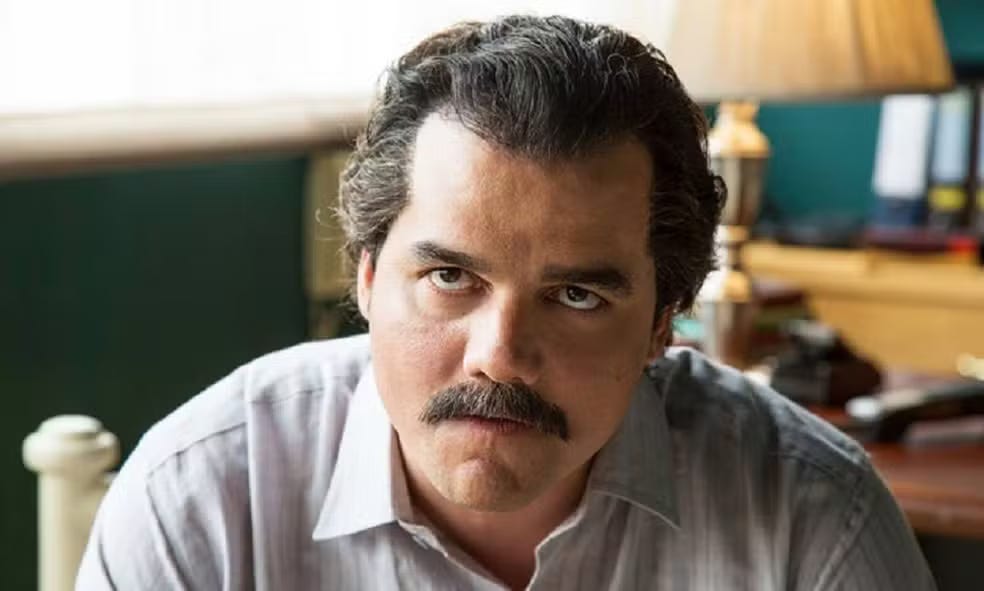
For reference, I loved every frame of his show, Narcos. I loved the characters, the vibe, the weight, and the emotional tension brought to bear by the characters. Sure, some critics savaged it for aping some of Scorsese’s visual footprints, but the meat and potatoes of the series far exceeded those small style criticisms. By the time Wagner Moura’s Pablo Escobar simply stared at a character silently, you knew what was coming. When he stared off into the distance, you felt the very weight he was carrying
.
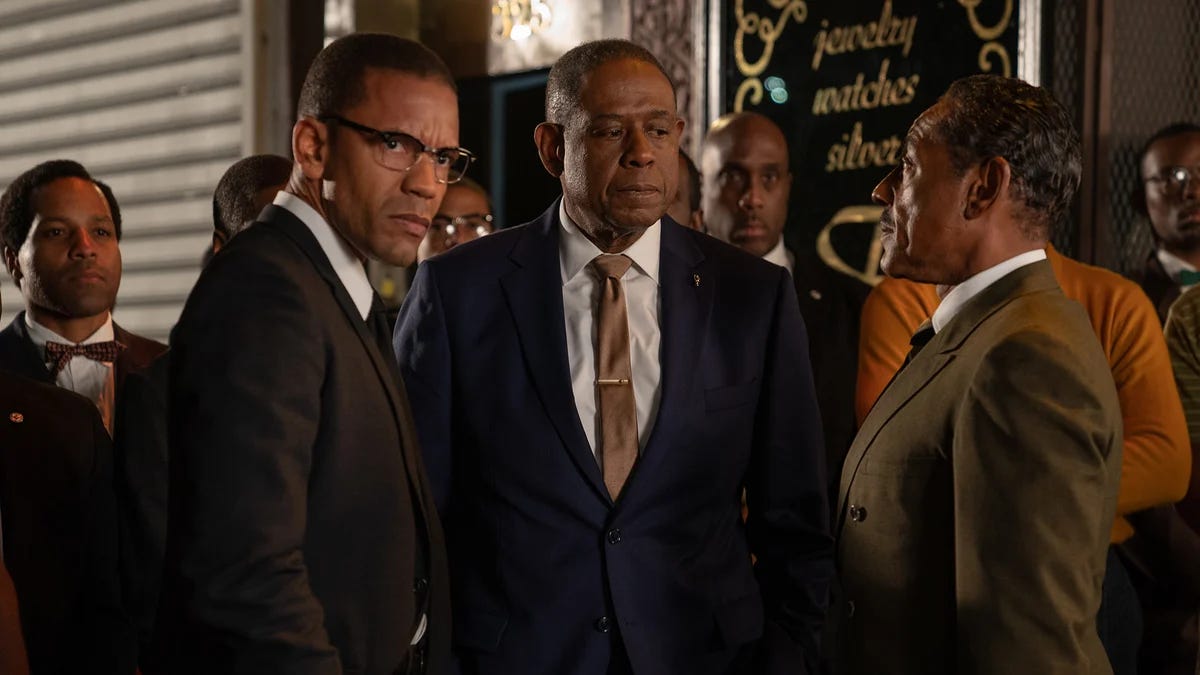
I even loved The Godfather of Harlem. While it was less serious than Narcos, the characters had tremendous power, and I believed them. The show might have run its course by the time it ended, but I cared about those characters, and it gave me insight into the history and troubles of the time. Bumpy Johnson, played by Forest Whitaker, strives for legitimate respect in a world that demands he utterly annihilate his enemies, which keeps him locked in a cycle of violence. Bumpy’s childhood friend Malcolm X, played by actors Nigel Thatch (2019-2021) and Jason Alan Carvell (2023-2025), is Bumpy’s mirror image, a man who has abandoned violence hoping to procure a level of self-respect in the black community that does not rely on the whims and opinions of others. It’s heady and powerful and feels real.
The Westies? Not so much. The show feels derivative, and not in a good way. It runs roughshod over the films that paved the way for this series. It is less an homage and more of a cheap imitation. More on that in a moment.
While the casting is top-notch, the story does not deliver the likability required to forgive the brash clumsiness of the Irish mob, where everyone is crazy, short-tempered, and drunk. J.K. Simmons, who plays Eamon Sweeney, the boss of the Westies, has all the swagger and toughness you might expect, but it comes across as cartoonish. He smiles from scene to scene in a way that tells us even he doesn’t believe in the performance he is giving. It’s miles away from his menacing and genuinely scary bandleader Fletcher in Whiplash.
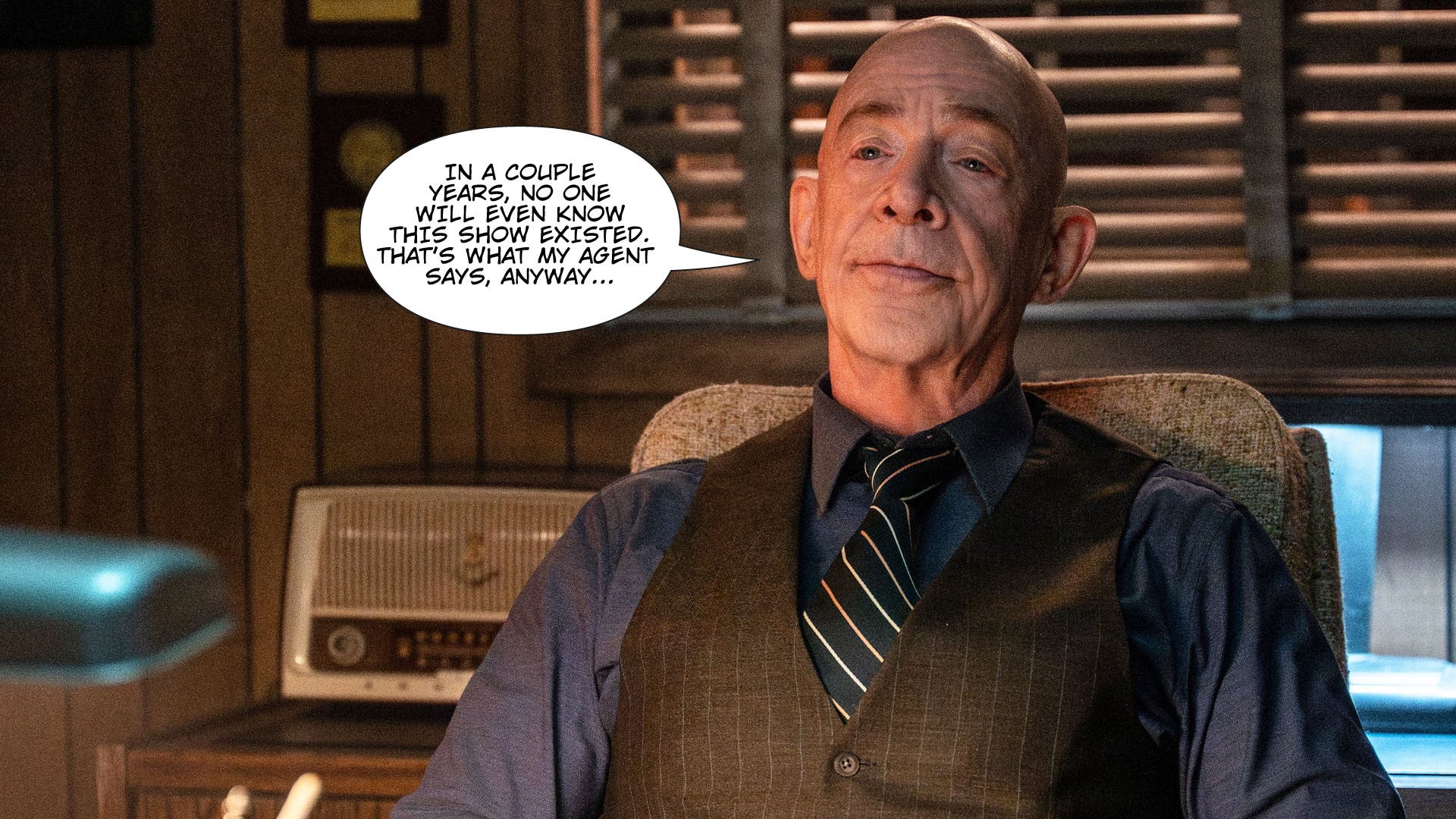
It’s not his fault. He’s spent decades delivering knockout performances. I think the script made his character two-dimensional. I do not know what drives him or what he has to lose beyond the assumed power and control he is attempting to wield and culminate in the first season’s storyline.
Neither do I like any of the supporting characters. They don’t feel authentic to me. The foot soldiers Sweeney commands are similarly two-dimensional and feel like a pastiche of the Irish mob. Jimmy Roarke, played by Tom Brittney (formerly of Grantchester), is almost unrecognizable, covered in long hair and a passable NYC accent. He is supposed to be the moral center of the story, the conscience of the piece, but his refusal to kill in some areas and impulsive need to kill in others is uneven. It services the plot but not the character.
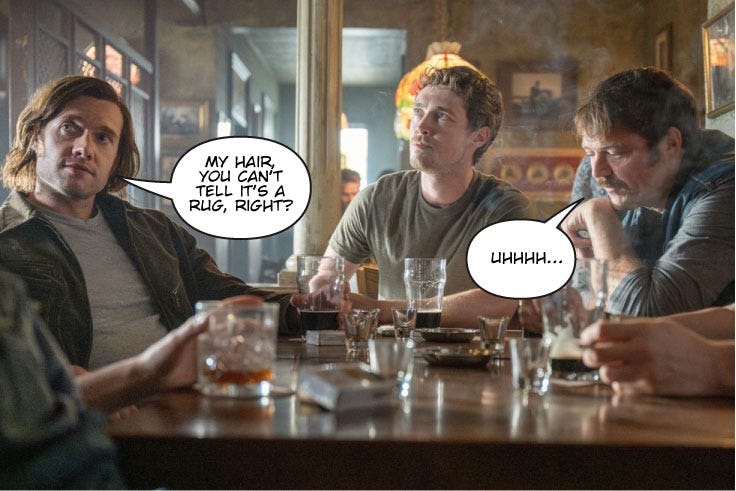
His friend and resident nut job, Mickey Flanagan, is the shell-shocked Vietnam vet who is a violent, walking disaster, but they give him no arc. In the pilot, he is seen undergoing electroshock therapy before being released home. We are to assume he has seen some shit and cannot handle life in full technicolor.
Only later, we’re told he went to the loony bin to avoid a criminal rap. Well, which is it? Were the glimpses of his time in Vietnam just his imagination?
Instead of showing him as a powder keg and waiting for him to go off, they basically ignore this important setup, and all the tension surrounding his character wilts. After being kidnapped, tortured, and left for dead, he fails to launch. He just takes it in stride with a joker-like smile, and his explosive volatility is never brought to bear.
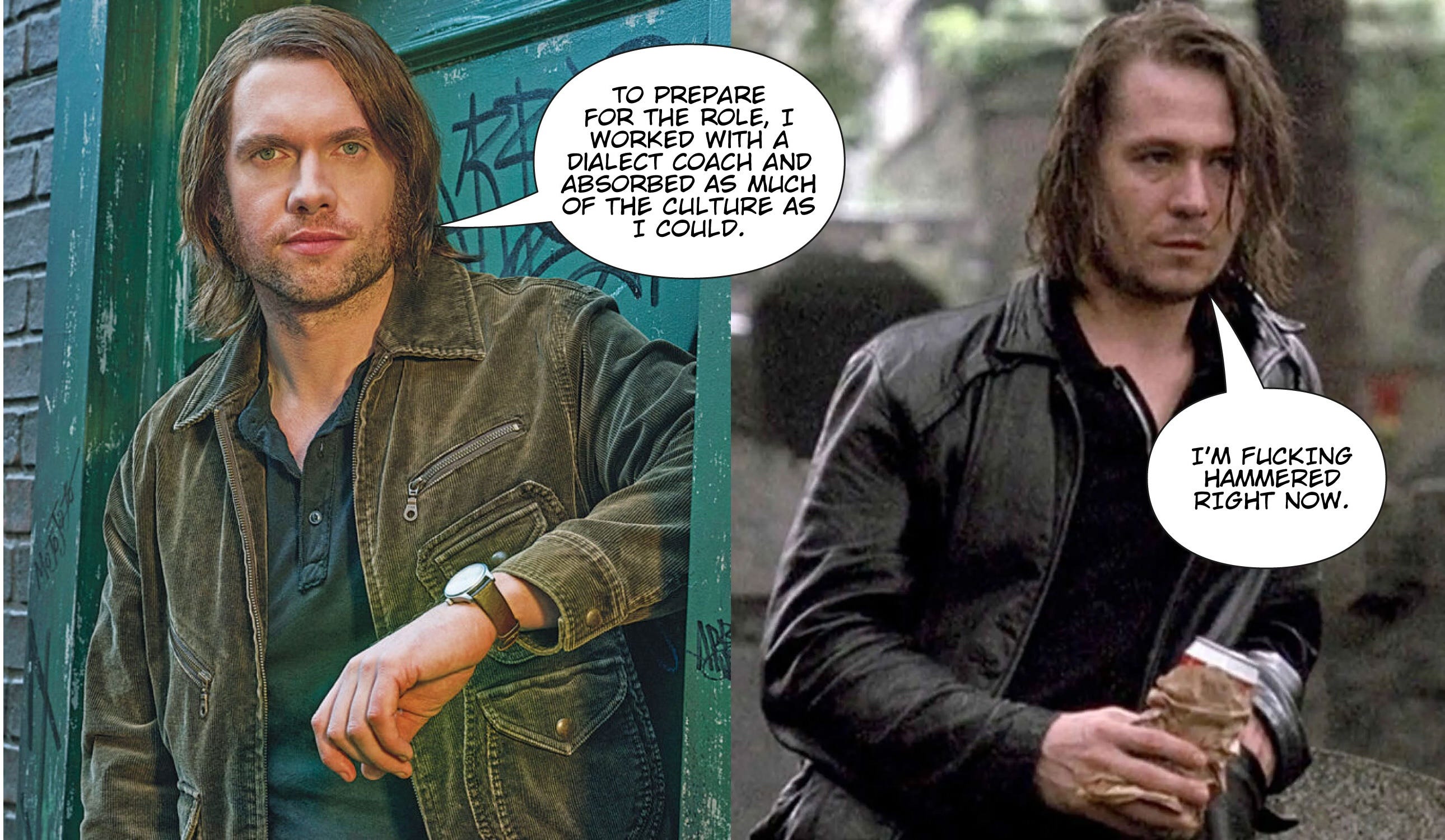
This crazy powder keg is better illustrated in Phil Joanou’s 1990 Irish mob film State of Grace, when crazy Jackie Flannery, played by Gary Oldman, believes the Italians killed his childhood friend Stevie. When his brother holds him back from acting out of revenge, all to save the pending deal with the Italians, we know it is only a matter of time before he cracks. And when he does, we can’t look away.
In the Westies, Jimmy’s love for his friend Mickey is used as a device to complicate things, but we never see why he cares so much. There is no powerful scene that really solidifies their bond and makes us understand why someone would do something so impulsive as to threaten to scuttle the deal with the Italians.
The only thing worse might be if they tried to shoehorn in a story about the IRA and connected it somehow to the main character.
Oh wait. They did that. Was there not enough meat on the bones of T.J. English’s blistering debut The Westies: Inside New York’s Irish Mob? While the show was not an adaptation of the book by any stretch, it was clearly inspired by its contents.
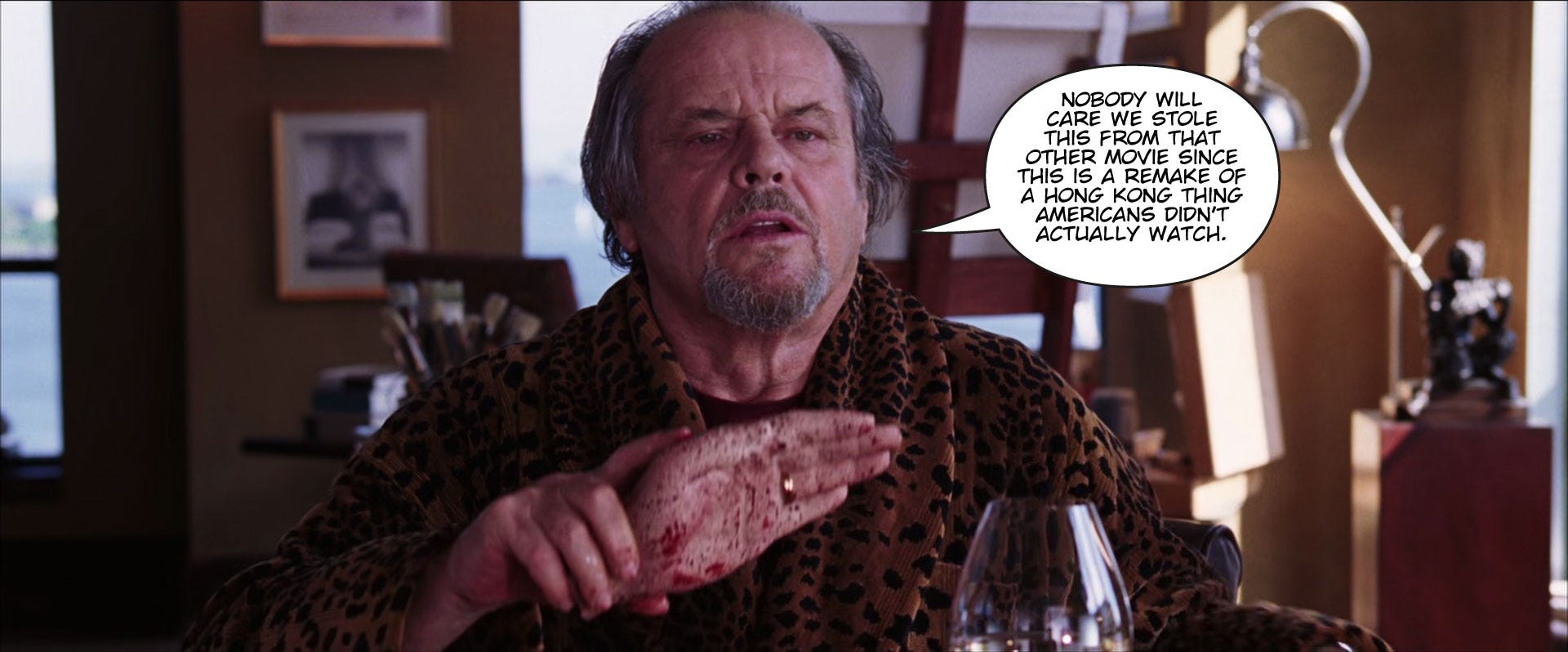
Further back, the film The Departed tried to capture some of the Westies magic, but for those of us who absorbed the aforementioned State of Grace, we had seen all the moves before.
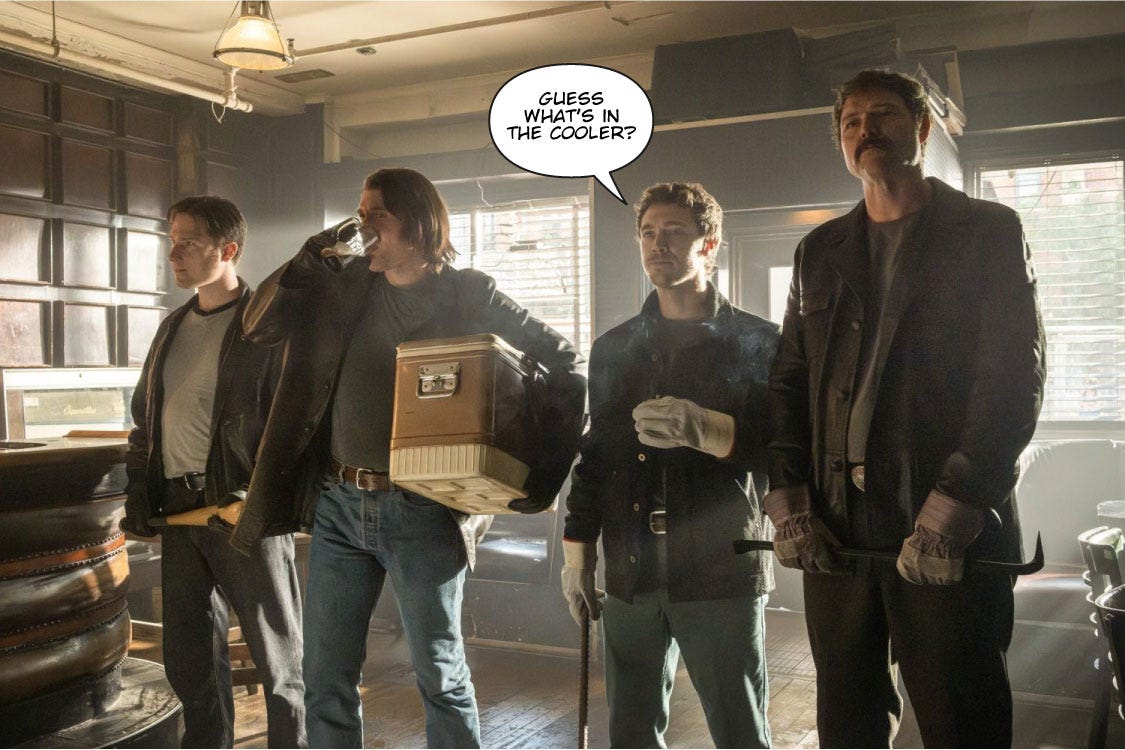
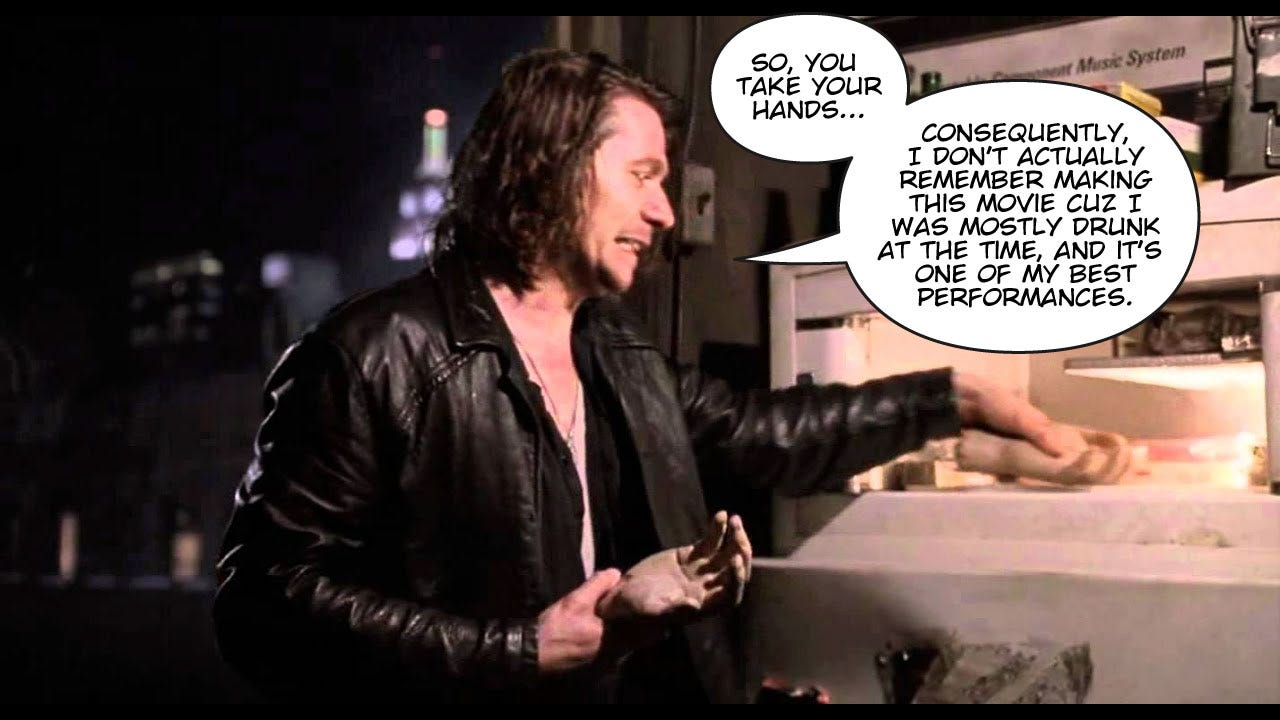
For example. All three productions used the device of keeping the severed hands of their enemy to plant prints on guns, etc. According to T.J. English’s book The Westies: Inside New York’s Irish Mob, the real Westie, Jimmy Coonan, was alleged to have done this. So, I suppose you can’t really leave it out, but this third time around, it just feels reheated.
The only character in the new series who is really watchable is John Gotti, played by Hamish Allan-Headley. He’s demonstrably evil, but remains likable. The only problem is that Gotti was known to be a ruthless killer, and his choice not to just kill everyone involved in service of the plot is really unbelievable.
So, what went wrong? I have asked myself this question over and over. Am I too in love with the characters of Terry Noonan and Jackie Flannery, played by Sean Penn and Gary Oldman, respectively?
Maybe.
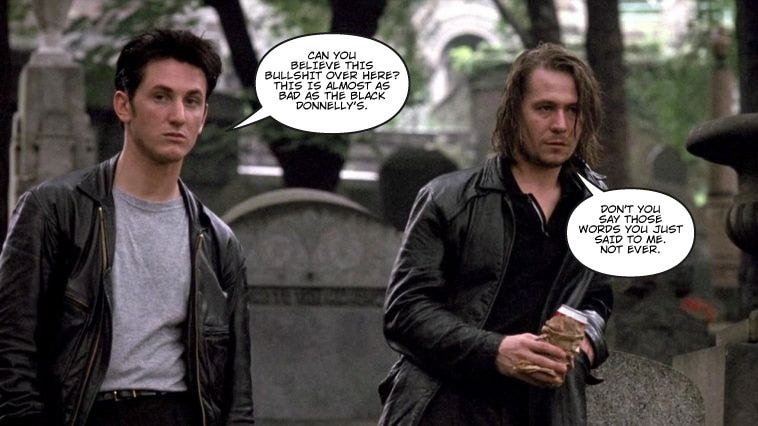
They were just as reckless and foolish as this new mob, but they were likable. We felt the betrayal rising in Sean Penn’s character, as the undercover cop who is tasked with bringing down the Irish Mob and with it, his best friend and ex-girlfriend. The dilemma is palpable and continues to build throughout.
Gary Oldman’s Jackie Flannery is fighting to protect something that is already lost. His neighborhood, its history, and the fairytales he tells himself about the good old days.
“It used to be if you dropped an ice cream cone on the sidewalk, you could pick it up and finish it.”
We believe him. We believe him with all our hearts, even though we know his volatility and impotent rage are going to get him killed.
The main plot of State of Grace revolved around a tenuous deal with the Italians to work together to make a lot of money. It’s non-specific and mostly a MacGuffin. While that deal and its difficulties drive the plot, it’s the characters and their dilemmas that make us care about the outcome. What’s at stake is personal, not financial.
In the Westies, the big Italian deal has to do with the building of the Javits Center and the building contracts the Irish mob controls. Their partnership with the Italians will make everyone rich, though there is little evidence the leader of the Westies gives a single shit about anybody in his crew.
Bodies pile up. If Eamon Sweeney had taken a single moment of reflection before he pulled the trigger on his guys, we might see what he is giving up in return for all of this power.
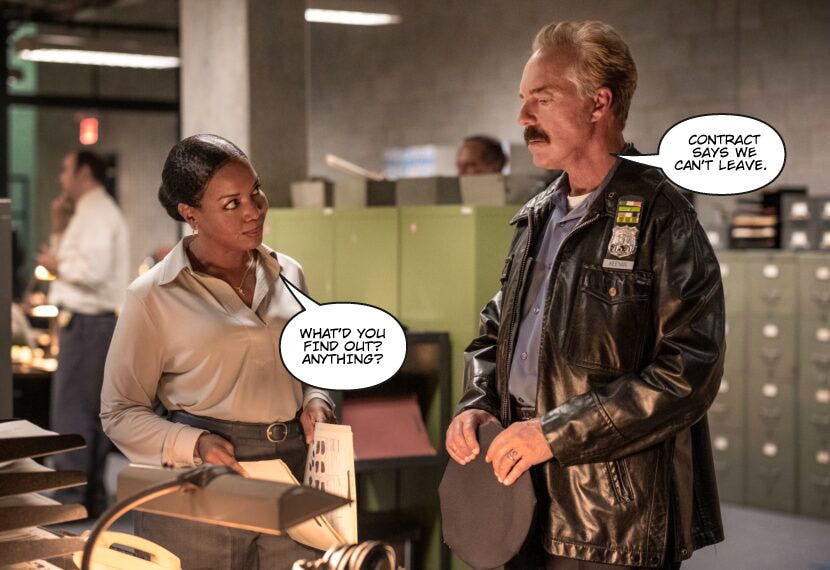
While the violence and quasi-period elements of the show are intriguing, the show fails to coalesce around a defining thought or theme that might elevate it in a way that Narcos and Godfather of Harlem did with such ease.