


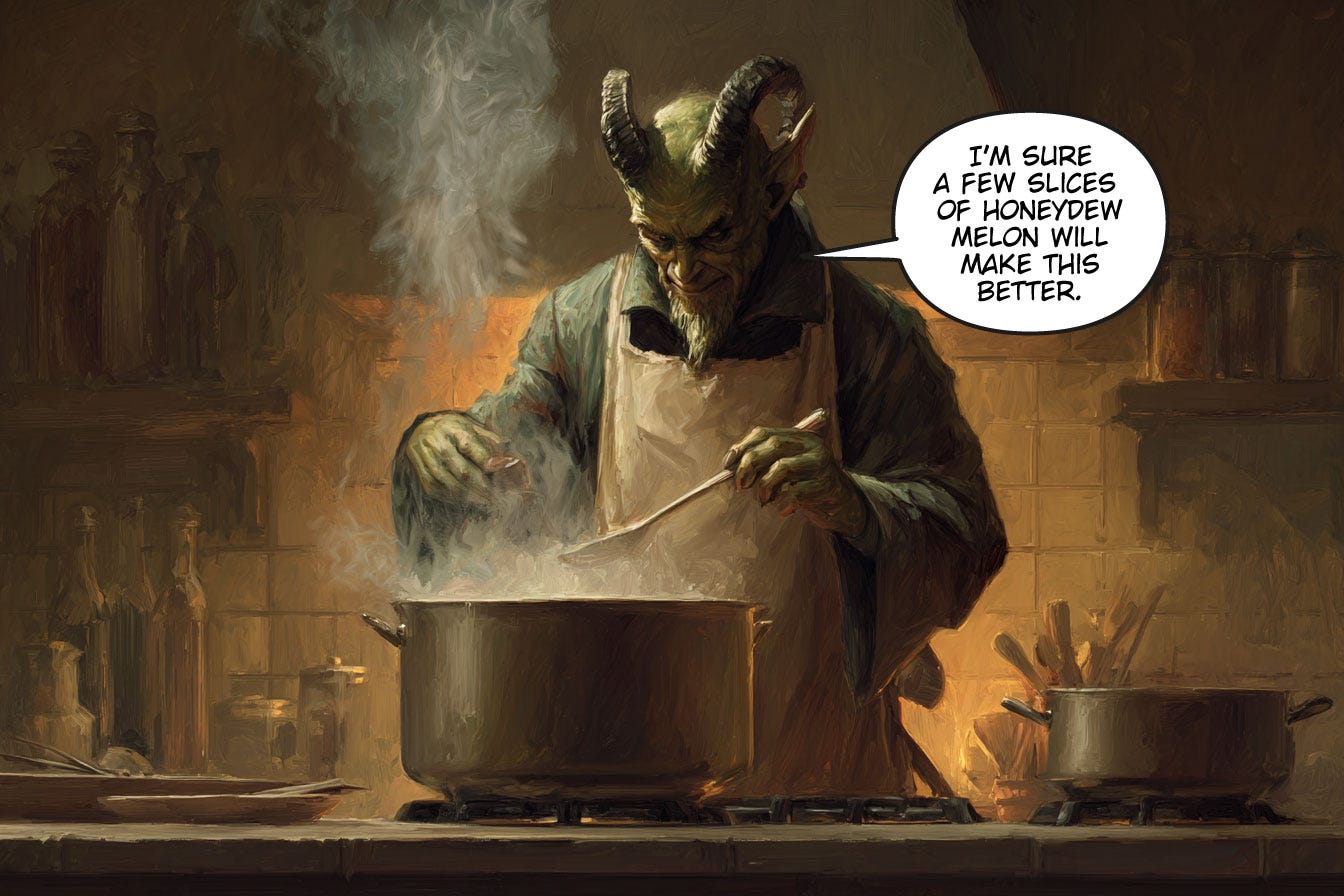
Being raised in a Scottish home in America in the seventies wasn’t that different from other immigrant families, but I like to call it living under Scottish rule.
As children, we had chores, like cleaning our rooms, washing dishes, and other menial housekeeping activities, but the one non-negotiable thing in our lives was peeling potatoes.
The potato was the centerpiece of just about every meal we ate. When you think of potatoes, you might think of the Irish, and while that is true, the Scottish are no different.
It’s a basic staple of Scottish cooking. We are a meat-and-potatoes kind of people. Like the English, we get hammered for the stodgy, bland food we pass off as cuisine. It’s not bad. In fact, a lot of it has become comfort food to me, but it is unapologetically bland. Seasoning, if you’re lucky, comprises salt and pepper.
In my childhood home, the only form of added seasoning was a brown sauce called HP sauce. It’s a vinegary concoction that is put on just about everything. The power of this stuff is that it makes everything you put it on taste like HP sauce. It masks everything. The good, the bad, and the ugly.
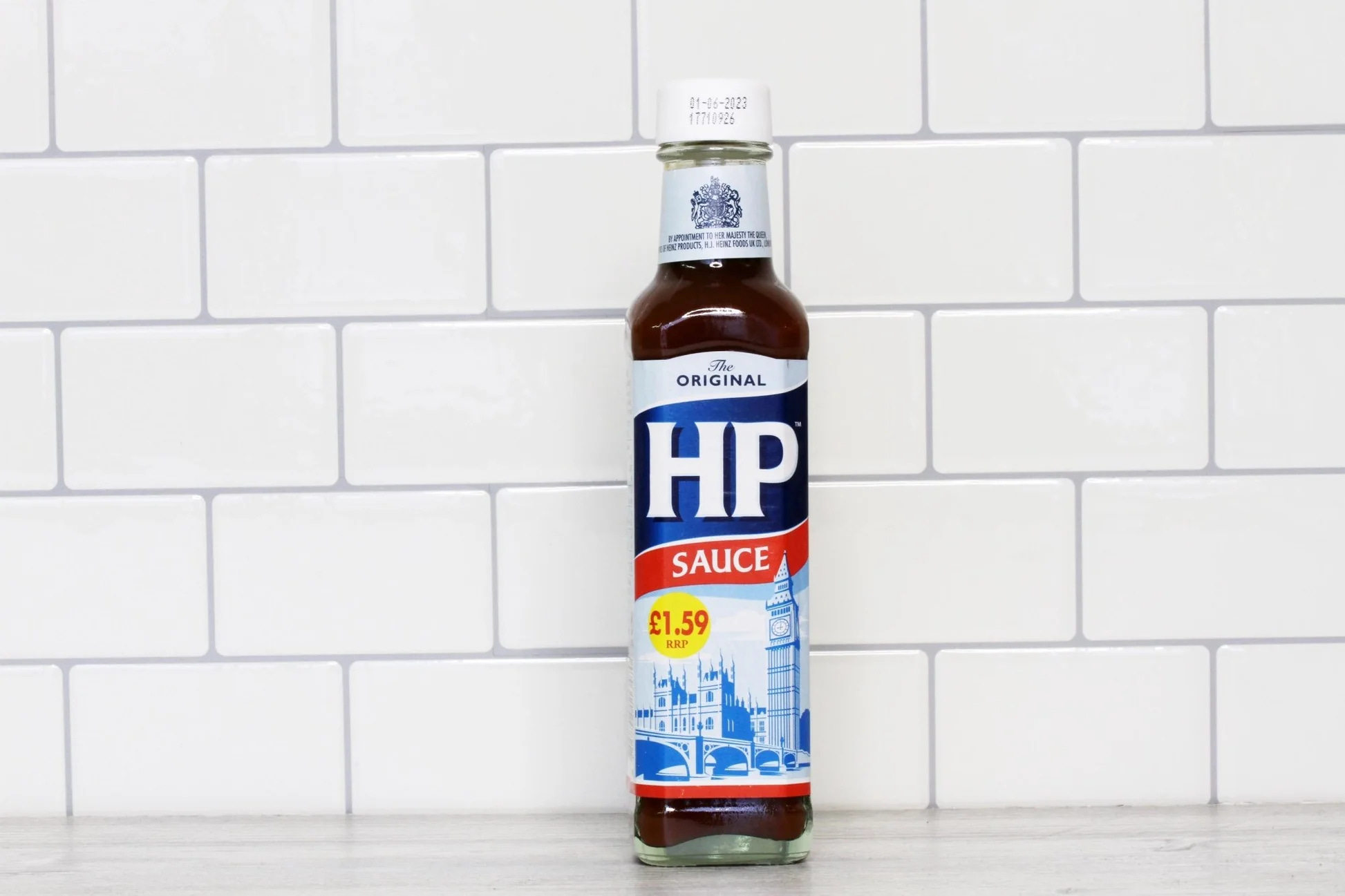
“It’s saved many a meal,” my uncle was fond of saying. He knew what it was for.
The old demon, having traveled the world as a merchant seaman, found new comfort in the spices and flavors of the exotic cuisines he discovered in every new port of call.
Returning home to the bland flavors of the UK left him cold. Upon moving to the United States, the meals prepared by my mother and grandmother also left him wanting. When he came home from work, he would check the stove to see what was cooking, and the inevitable doctoring would begin. He tried everything to add spice and flavor to our meals. What resulted was a mish-mash of disparate flavors that had no business coming together.
He foisted these vile experiments on his family, and while many of them were disgusting, there were a few highlights.
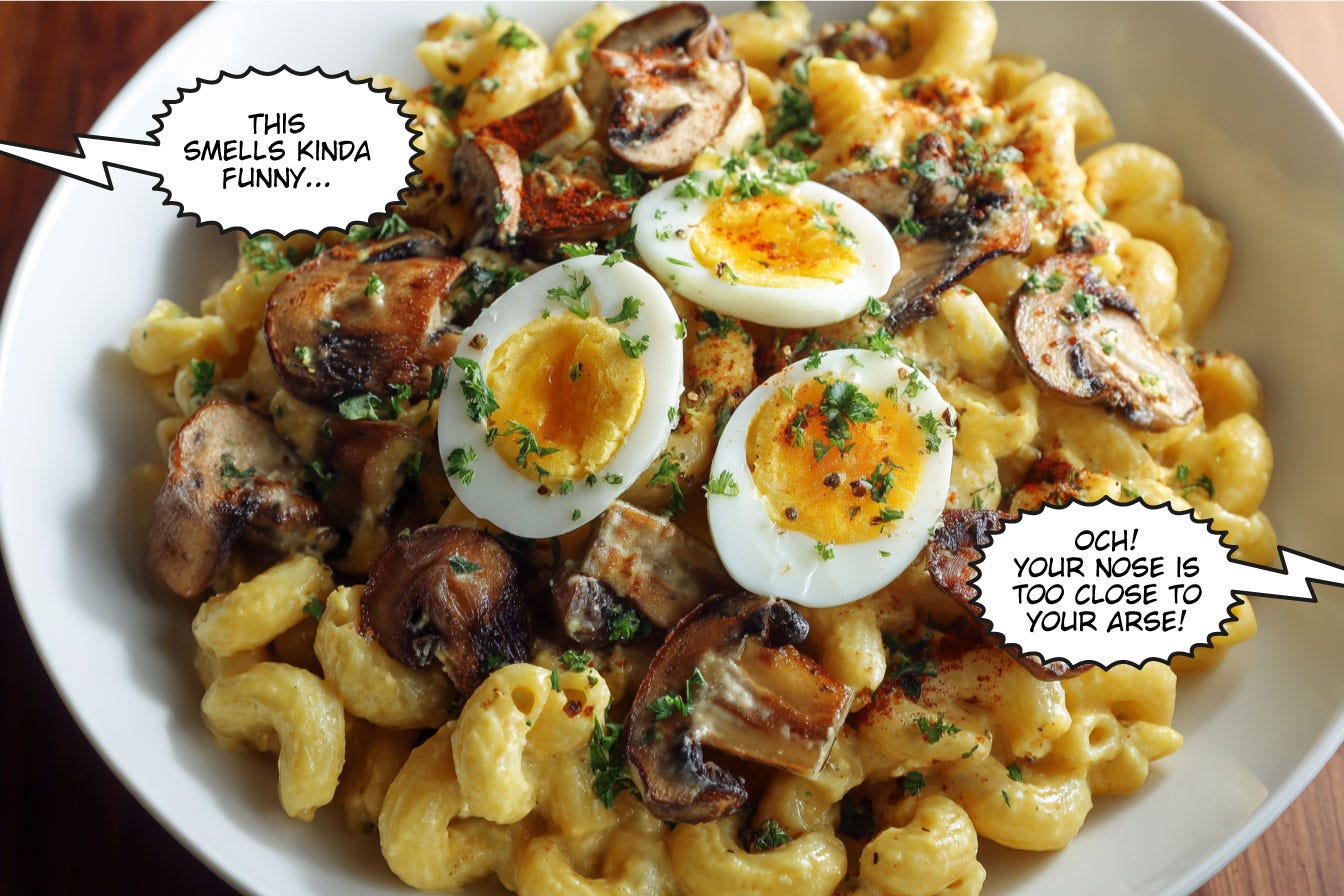
Regular old Kraft Macaroni and Cheese became a hearty meal filled with sautéed onions, mushrooms, hard-boiled eggs (yes, hard-boiled eggs), and some kind of leftover meat. While these things sound disgusting, they actually tasted good.
Other times, he would make his own spaghetti sauce with so much garlic it could keep vampires away for months at a time. He was never afraid to try different things. While his spaghetti sauce was good, adding local mussels to it? Not so much. Southern California is known for many things. Mussels are not one of them. For days after the meal, the house smelled like low tide at Santa Monica Pier.
Unfortunately for us, we lived during a time when opting out was not an option. You finished whatever horrendous concoction that was laid out for you.
And so it went.
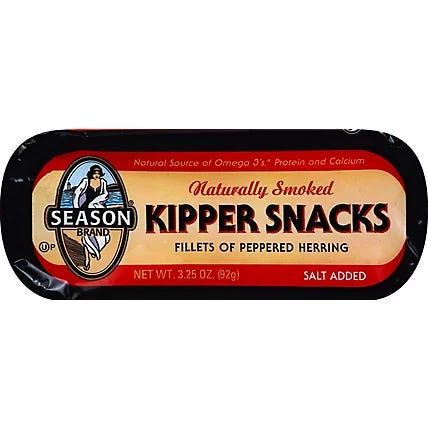
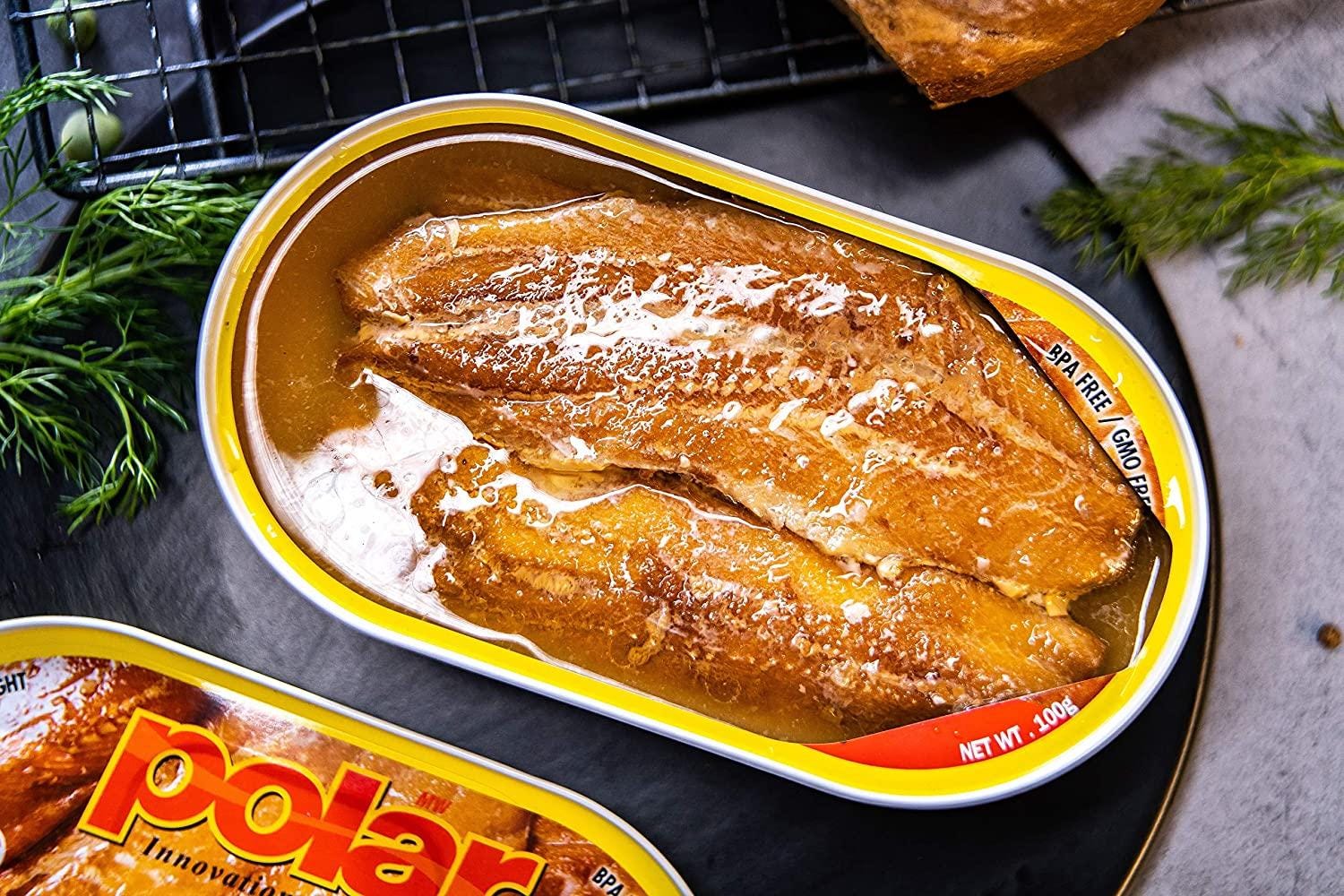
Aside from spicing up dinners, his work lunches were hideous creations featuring tinned sardines and kippers. Kipper Snacks were a staple of his diet. A kipper, for the uninformed, is a piece of salted or pickled herring, usually served on toast.
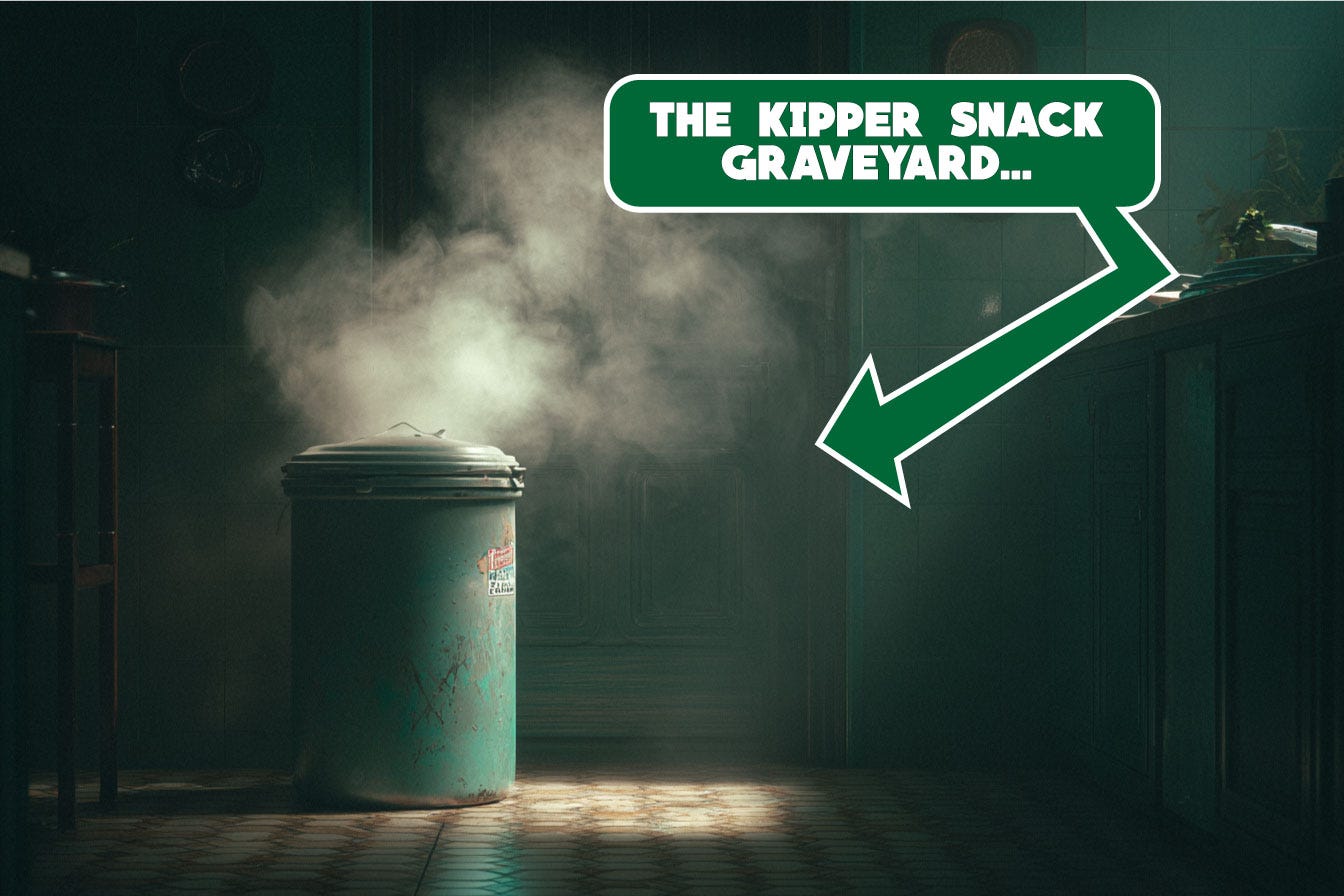
The aftermath of this preparation stunk up the entire house, rising from the trash can in the kitchen. It was like a fermenting bomb that gave off heat as the old tea bags, banana peels, and coffee grounds intermingled and started a volatile chemical reaction.
If asked, the old demon would probably just shrug. He liked what he liked. He wasn’t in the business of apologizing for anything in his life. That he loved to eat imitation crab salad wasn’t the problem. The problem was forcing it on the rest of us.
Being forced to eat disgusting food preparations is not a unique experience for my generation. If you refused, it waited for you the next day. The notion that my parents would cook special meals for their children’s finicky tastes was laughable. In fact, if you were brave enough to tell my father that his concoction smelled funny he would just say, “Och! Your nose is too close to your arse!”
Nowadays, I am not as adventurous as the old demon about food, but I like a wide variety. Looking back, it may have pointed to his desire to escape. It certainly illustrated a black and white dichotomy within both sides of my immediate family.
My mother was raised Catholic and remained devout throughout her life. My father was raised in a Protestant home, but as an adult, he did not tie himself to any form of organized religion. In fact, he even claimed to be an atheist.
My father came from nothing. He grew up with one brother and parents who were the furthest thing from happily married. My mother’s family was large, closely knit, and remained so all her life. They were not rich, but owned a corner store and were affluent and well-respected.
My father wanted to escape the clutches of family tradition and strike an alternative path with his own wife and children. My mother remained anchored to the extended family structure with five brothers and their own children.
And, of course, my father enjoyed all the exotic cuisines of the world. My mother was happy to exist in the simple, bland world of everyday meat and potatoes.
Is it any wonder that the marriage didn’t last? Everything seems so obvious in retrospect.
Nowadays, as I watch the old demon eat bland frozen dinners from the supermarket for his dinner, I wonder if it is poetic justice or just the natural surrender to a world of bland, flavorless decrepitude.
I too have an incredible need to doctor everything up. I am definitely going to try to find that HP Sauce. Sounds delicious.