


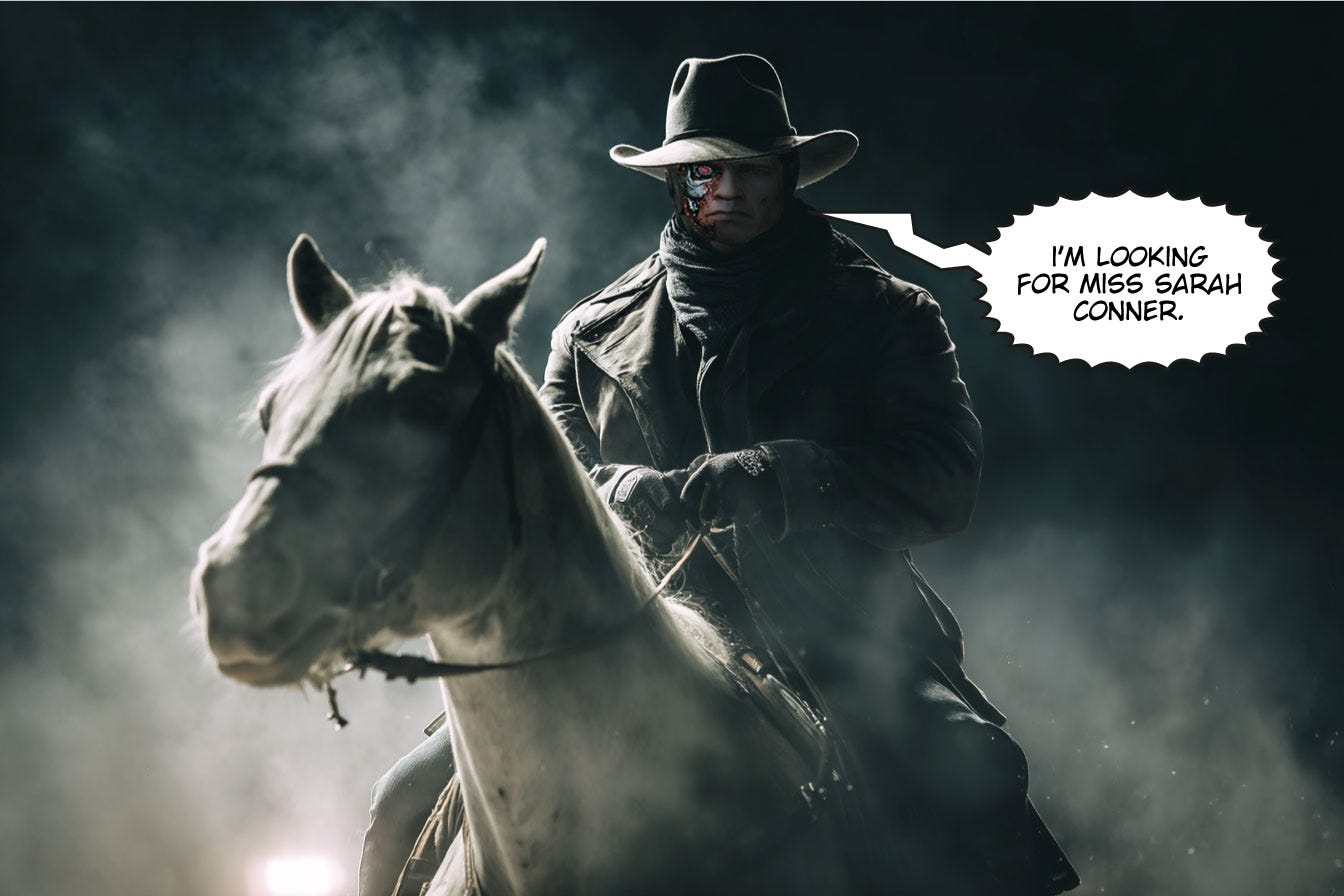
Story Genres = Story Problems
As a writer, the industry will try to pigeonhole you into a specific category. If you write a comedy, then you are the comedy person. If you write a thriller, you are the thriller person.
Even your agents need you to be a certain thing. I had a reputation for writing dark film noir-type thrillers. So, when I told my agent at the time I wanted to write a romantic comedy about a man who finds recordings of his dead wife telling him all the things he should do with his life after she is gone, I thought she would be thrilled. I had crafted a funny, romantic tearjerker that would become the next Notting Hill or My Best Friend’s Wedding. Yes, this was a long time ago.
She sat across from me in a conference room at Broder Webb and gave me a blank, slightly disappointed look. She said, “Listen, that’s great, but unless you are willing to channel the female for the next ten years, I suggest you stick to what you do best.”
She was right, of course, at least for the time. Back then, the studio system, the agencies, and their respective talent pools were in their packaging era. And if packaging was about anything at all, it was about certainty. As I’ve stated before, the film business was, is, and always shall be risk-averse. A great package means all the guesswork has been taken out of the deal. It’s not Brad Pitt starring, David Fincher directing, and written by a guy who's mainly known for rom-coms, but we’ve been assured he can pull it off. These packages don’t guarantee brilliance. Far from it. A lot can happen from script to screen that can scuttle the entire ship.
Nowadays, all that doesn’t matter as much anymore. My last produced film was an action thriller about sharks and whales. The one shooting right now is a romantic comedy featuring a dog. Nobody questioned my ability to write it. They just read the script and said, great! If they hadn’t liked it, they would have just said no.
I’m here speaking from the writer’s perspective, and I think casting a wide net is not only a good thing, it also makes you a better writer. And here’s why…
Writers often write in different genres because they have a wide range of interests. I have written in most genres (see above) and without fail, the number one lesson that comes with tackling a different genre is their specific story problems.
If you write a romantic comedy, you will need to solve problems that only come up in romantic comedies. If you write a western, you will have problems that only come up in westerns.
This is not a bad thing. In fact, it’s a very good thing. Why? Because being able to solve unique story problems comes from having faced them in the past. They may not all have the same solution, but you will be better for having solved them.
So what do I mean? Isn’t a story problem a story problem, no matter what genre you write?
Yes, and no.
For example. Let’s look at genre conventions. Each genre has a list of expectations.
In any genre, the established conventions embody more than just plot devices. They include settings, main characters, and themes.

In the romance genre, the story requires one or more of the following.
1. A hate to love transformation.
2. A love triangle.
3. An unrequited love.
4. Maybe even a secret love child.
The setting often becomes a character in these kinds of stories. A sleepy little town in the country. A busy urban center or a rural environment where love can grow organically.
What are typical story problems to solve?
Why won’t he marry me?
Is he being faithful?
Does he even love me?
Will he choose me or him?
The problem isn’t in the questions, as you can come up with any number of quick answers. The problem is writing a fresh, unique solution to these problems that avoids tired clichés and overused tropes.
He refuses to marry you because he is in love with someone else.
He refuses to marry you because he is selfish and focused on his career.
He refuses to marry you because he promised his dying wife he would never replace her.
All of these sound uninspired, but you will probably find a version of them in all romance stories. The difference is how the writer creates the story complication. What sounds like, “He doesn’t really love me,” is revealed to be that he loves you too much. He knows how much you want children, but he’s afraid to admit that he can’t have them.
His being too self-absorbed and selfish becomes a relentless drive to outrun the trauma of his childhood. His inability to stop for you isn’t because he’s too selfish. He’s just terrified that if he stops for anyone, his demons will catch up to him and take him down in front of God and everybody.
In the thriller, the story is concerned with at least two of these very important things.
1. A hero whose life will change in an instant, having no warning of what is happening or what is to come.
2. A ticking clock. Whatever the solution, it must be solved in a hurry.
3. A seemingly unstoppable villain who keeps coming no matter what.
Setting is also very important. It’s become the height of cliché when a writer pitches his thriller idea as, “Die Hard in a dairy farm!”
Let’s take the ticking clock. It has come to mean much more than just a time crunch. It’s less about the time and more about the consequences if we don’t stop them by midnight…
The story problem here comes in the form of a unique, fresh, and compelling take on what will happen if the time runs out.
“I will set off a bomb that will take out three entire city blocks.”
Oh, that old chestnut?
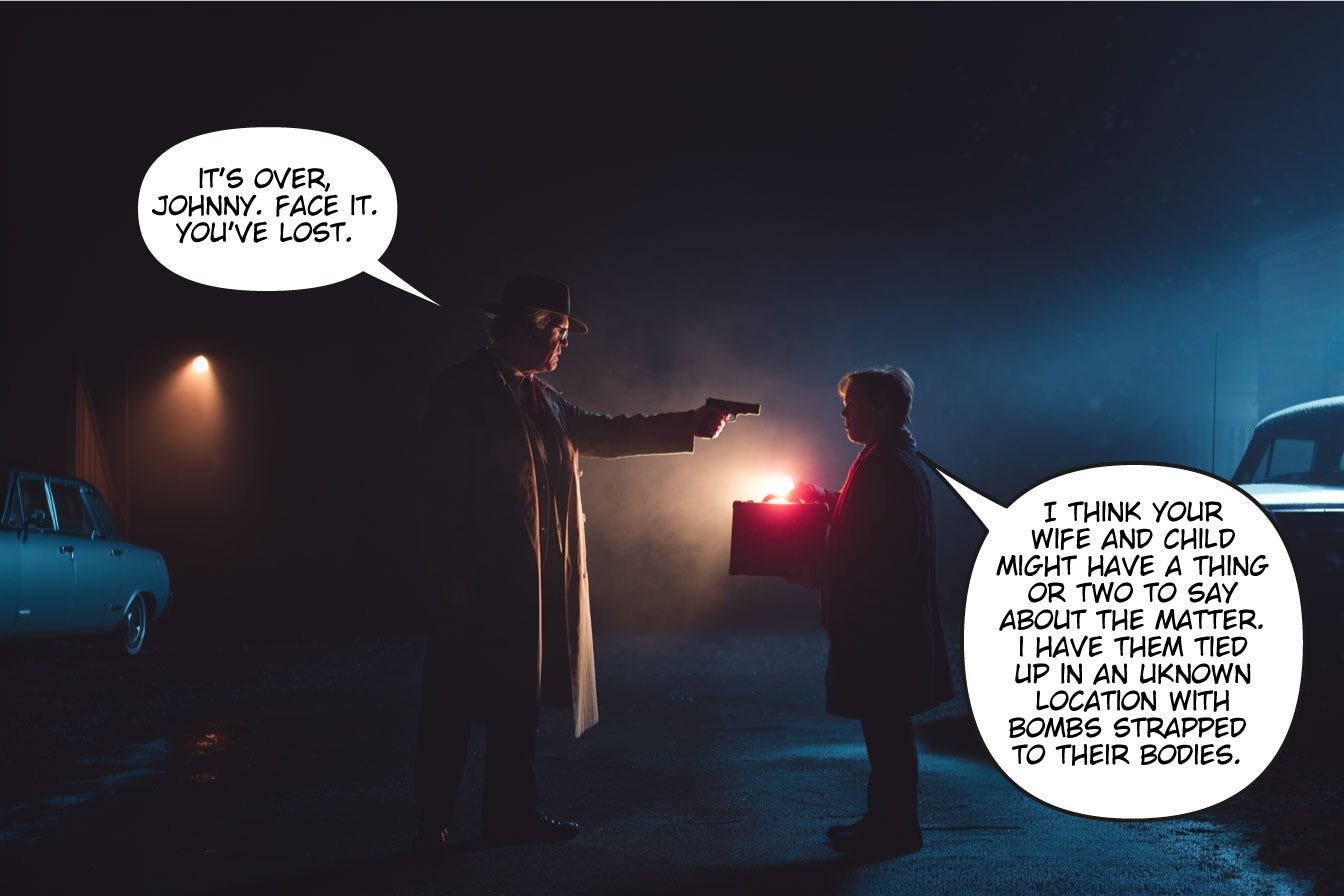
Whatever you do, don’t kidnap my wife or child. No one will see that coming. You see what I mean? People have seen hours upon hours of movies and TV. They want to be surprised.
It’s a hard thing to do these days. Rather than destroy a city block, you might not even say what you will do. Have the audience wondering what is going to happen.
The solution to most of these story problems lies in the setup of your story. If you have failed to come up with a unique consequence, your hero is either poorly crafted or you are missing what’s right in front of your face.
Story problems are worth solving, no matter what the genre is.
Each of these genres forces the writer to solve these problems, and once he or she does, they can take that knowledge with them on their career journey. If you simply stick with one genre, that’s fine, but you will miss a great opportunity to solve a story problem that is probably still years away.