



My first produced film was an indie movie called The Cooler. It was an idea I conceived in 1999 about a degenerate gambler with infectious bad luck who worked for a casino to protect their bottom line. Then he meets and falls in love with a cocktail waitress who changes his luck from bad to good, and the story unfolds from there.
I pitched it to a writing colleague who encouraged me to write it. After a while, he would ask if I had written it yet. I said no. Eventually, he told me he wanted to write it with me and direct it.
Not long after, we wrote the script and took it around town. People loved the script, but no one would touch it. Too dark, too violent, the lead characters were too old. “It’s a feathered fish,” they’d say. “It’s neither fish nor fowl.”
This is industry speak for when a script doesn’t have a clear identity. The industry likes consistency. If it’s a comedy, it needs to just be funny. If it’s a romance, it shouldn’t also contain gritty violence.
It’s mostly a nonsense excuse. What it means is that the story creates uncertainty, and that scares the bejeezus out of studio and development execs. On occasion, it does point to a structural or tonal problem that could be remedied by making a more consistent choice.
Anyway…
Three years later, by some miracle, the film got made. It had an A-list cast and cost peanuts to make (maybe 4 million). While the conventional wisdom was this feathered fish couldn’t be made, the likes of William H. Macy, Alec Baldwin, and Maria Bello disagreed.
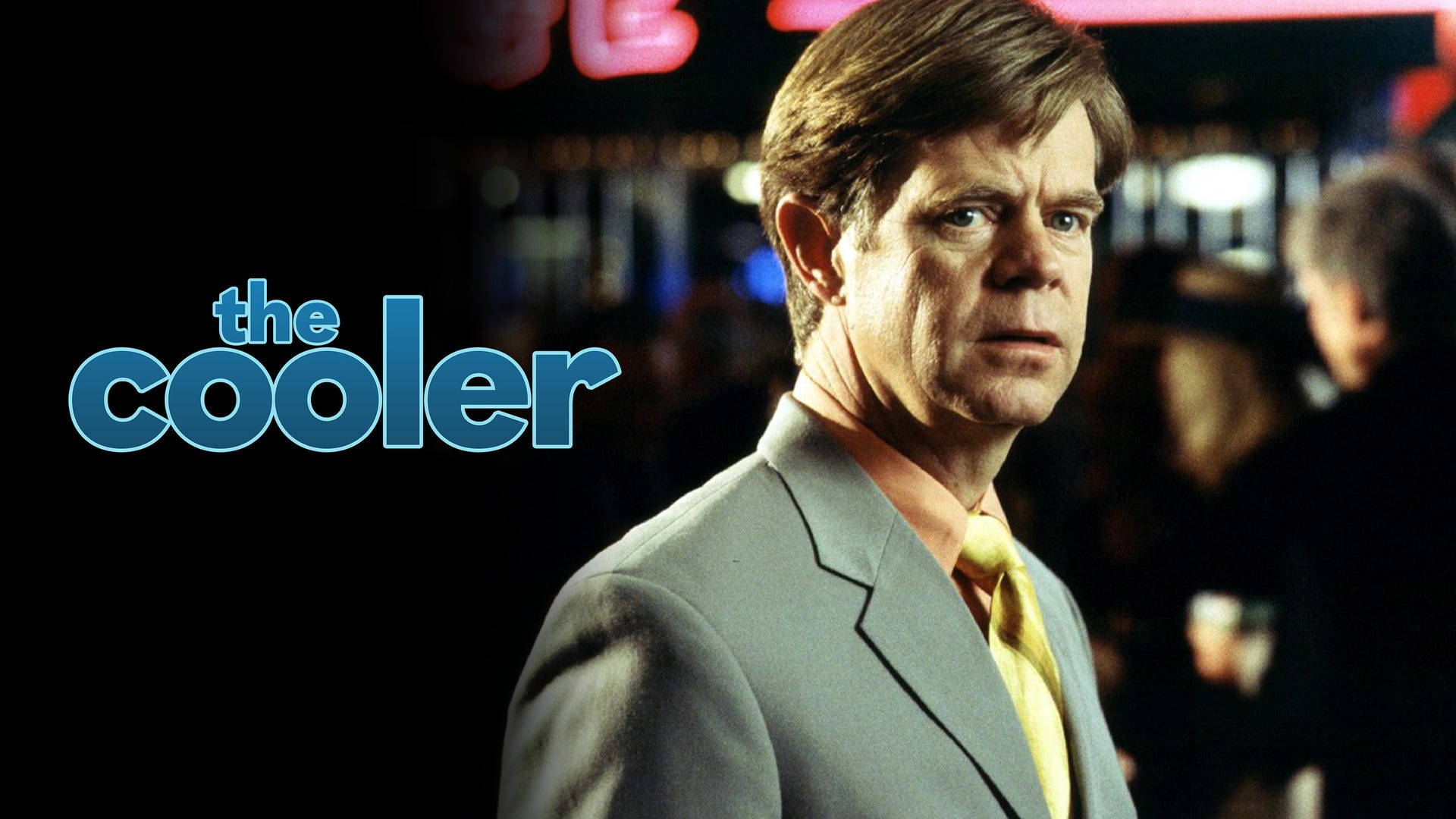
Shooting commenced in May 2002. Six months later, the completed film was chosen for dramatic competition at the 2003 Sundance Film Festival, and things were looking up. The film did not win any awards at the festival, but it was very well-received and the first film to sell that year to Lionsgate.
None of this was the problem. The film was released in theaters, and award buzz swelled around the acting performances. By the winter of 2003, the film had snagged two Golden Globe nominations for Alec Baldwin and Maria Bello, and then a Best Supporting Oscar nomination for Alec Baldwin.
None of that was the problem. While neither won in their categories, it was a monumental achievement to think that this film had captured the imagination of the world.
While nobody made any real money on the film, that I know of, the film offered a level of street cred that you simply couldn’t buy. Every meeting I went to, producers, development executives, and company heads praised the film in a way that told me not only did they see it, but they loved it, especially for its courage.
Even that was not the problem. So, what was the problem?
Believe it or not, these situations can fill your head with magic, and you start to get a little high on your own supply. You believe you can do anything.
So, there I was, sitting in meetings with studio executives who wanted to hear what I had to say. Many of them were TV producers of shows I not only watched but loved. I even met with Alan Ball’s company, which was in the middle of its run of Six Feet Under. When asked by their producer what I thought of the show, I had the audacity to tell him the first two years were their best. The show was currently in season four, and I had thought it best to tell him why I thought the show had lost its way.
High, meet supply…
I cringe even now when I think about that meeting. What an idiot. As mortifying as that meeting was, that wasn’t even the worst mistake I ever made.
No, friends, my big mistake was misunderstanding something so fundamental about the entertainment business that it caused me to lose my way.
Yes, the Cooler was being lauded and praised, and there was a hell of a lot of goodwill out there for it. I had no problem getting meetings. And I pitched my heart out. I gave it my all, and I mostly failed.
I am only slightly ashamed to admit that I had a lot to learn about the business and, more importantly, I had even more to learn about the craft of writing.
I thought these producers wanted more of what they had seen. Naively, I thought they wanted more edgy, indie, morally ambiguous films about deeply flawed characters who might not even be likable. I thought they wanted another “Cooler.”
With every meeting, I watched their faces go from highly engaged and focused to let down, disappointed, and checked out. I might be exaggerating here, but you get the point. It never occurred to me to change what I was doing. Instead, I just felt puzzled. “Why don’t they like my pitches?”
Here’s the sad truth. The Cooler, its success, and all the heat that came with it, was a miracle. So many amazing films go unnoticed and never have the chance to make their mark on the world. While it seems ridiculous to say it, to the industry, the heat and street cred thrust on the film had very little to do with the type of film it was. It existed in an almost entirely different universe.
Studio executives and development types were thrilled you found some other poor suckers to push your heavy rock up a hill. No, they don’t want your edgy movie. They want your heat.
My mistake, and believe me, it was a big one, was that I got to the big show and ended up pitching small, difficult stories with red flags around every corner. What they wanted was to use the heat I had on me to get a commercial studio project set up. And instead of being the facilitator for something like that, I steered the ship into the rocks.
My ideas weren’t horrible, by the way. I did sell a TV pilot to CBS. That was a fantastic idea, but it sold mostly on my heat.
After that, I continued to pitch around town, both TV and film projects, but I was unsuccessful in leveraging the heat and power I had, and as expected, that heat waned quickly.
In current times, if I spoke with a young development executive, there is a very good chance they will not have heard of the Cooler. It does not even exist within their frame of reference. Time marches on. You don’t have unlimited influence in popular culture.
At this stage, I rarely speak of the film at all. It represents another time, and while I am proud of the work so many did to create it, I live in a space now where the film is safely tucked away out of sight. If people remember it or ask me about it, I smile and nod and let it drift back into the aether.
I don’t even say all this to piss and moan about it. It’s a cautionary tale. It took me years to claw my way back, and I feel grateful to share my story.
So, what should I have done? How could I have avoided that mistake?
It’s an excellent question. As writers, we all have a certain sensibility, and even if we write broad, commercial stories, we naturally imbue our distinct mark on them. There is dark humor in every story I write. Even the comedies, and I don’t apologize for it. It’s who I am. It’s important to understand that you don’t need to be ultra indie and dark to write in your style. There is a sweet spot, and it’s up to you to find it.
As for the past? I think the best course of action would have been to listen more and realize what was being offered to me. It’s not a red pill choice. You’re not sacrificing your artistic integrity in that moment. Play things as they lie. Listen to the wants and needs of a studio that is dying to hire you. All you need to do is not fuck it up by telling them their big-budget buddy comedy is fine, but you’d rather write a black and white “Sin City” style film about Peter Lorre traveling back to his homeland in Hungary during his off time between shooting Casablanca and The Maltese Falcon. Once there, he will get embroiled in a murder mystery that only he can solve. Oh, and we’ll get Johnny Depp to play him, and it will be amazing. I’m sorry, what was your last question?
“Who is Peter Lorre, again?”
“Character actor. Big eyes, great voice. Have you ever seen the films Casablanca or The Maltese Falcon?”
“No, I don’t think so.”
“Oh, you know the character of Ren on Ren & Stimpy?”
“Oh, yeah, I know that character.”
“Okay, then. That’s an impression of Peter Lorre.”
“Oh, you mean Peter Lorre does the voice of Ren?”
“No, the character is a caricature of — you know what? Do you validate parking?”
And yes, this was a real discussion, and it served me right for thinking I knew better. Let’s be honest, though. The Johnny Depp playing Peter Lorre project would still be awesome. In my mind, anyway.
So, in summary…
Shut your mouth, listen to what you’re being told and asked to do. Ask yourself honestly if you can add value to that situation and take the early wins while you can. It seems so obvious now.
I’m sure you will still want to pitch your passion project, and you might even be prompted to do so, but think hard about who is asking. If it’s not the head of a studio or a producer who has carte blanche, just keep it to yourself for now. There’s a great buddy comedy in your future, and I just know you’ll be able to imbue it with at least some of your dark, indie impulses.