



Anyone who knows me will tell you I reference movies and television constantly. When I was young, I did it to reference a life experience I did not have yet. “Like that episode of the White Shadow in the seventies where one teenager tried Angel Dust, lost his mind, took off all his clothes, and tried to jump out of a tree because he thought he could fly.”
In later years, I referenced them for all kinds of reasons, but mostly it was to illustrate a story solution in someone’s writing or my writing. I cannot tell you how beneficial it is to have watched thousands of hours of film and television. It offered me access to a treasure trove of options for story and character.
While mentoring young writers, I would make all kinds of references to all kinds of films and ask if they understood what I was trying to tell them. When the results of their writing left me wanting, I would ask if they’d even seen the films I was referencing, and they simply shook their heads. How on earth could I expect them to understand if they’d never seen the films I was talking about? Sure, they might read a summary online, but they wouldn’t have access to the emotional power the story offered.
I took for granted that everyone I mentored had the same vast film knowledge in their heads. Younger writers would also point out that my references were outdated and meant nothing to them. “Why don’t you watch newer movies?”
Well, that’s a story for a different time. Modern films aren’t without brilliant structure, but finding them seems harder.
But I digress.
Watching, studying, and internalizing the emotional impact of films is crucial. Over time, it becomes a shorthand. A secret knowledge or language that we all have access to.
Nowadays, rather than assuming everyone has seen the movies I reference, I simply suggest they watch and study these films to fully understand where I am coming from.
Here are five character-driven films I love to reference.
1. You Can Count on Me (2000)
This film is such an emotional powerhouse; it is hard to quantify its impact on me. Written and directed by the amazing Kenneth Lonergan, the story involves two siblings whose parents die in a car accident when they are younger. Now adults, they live separate lives. Terry, a ne’er-do-well played by Mark Ruffalo, and his sister Sammy, a single mother who struggles to make ends meet in a small town, played by Laura Linney. Both siblings are emotionally frozen as a result of their parents’ deaths. Both act out in different ways.
Terry is a drifter who refuses to settle down in any one place or commit to anything or anyone. He drifts in and out of town to see his sister and nephew, usually for money, and quickly bails out before family obligations sink their hooks into him.
Sammy is the opposite. She anchors herself so securely in place that it quietly kills her. She is dutiful and righteous, but refuses help even though she desperately needs it.
I don’t want to ruin the story for those of you who want to check it out, but the reason I loved this movie and its structure is that it is almost entirely driven by raw character emotion.
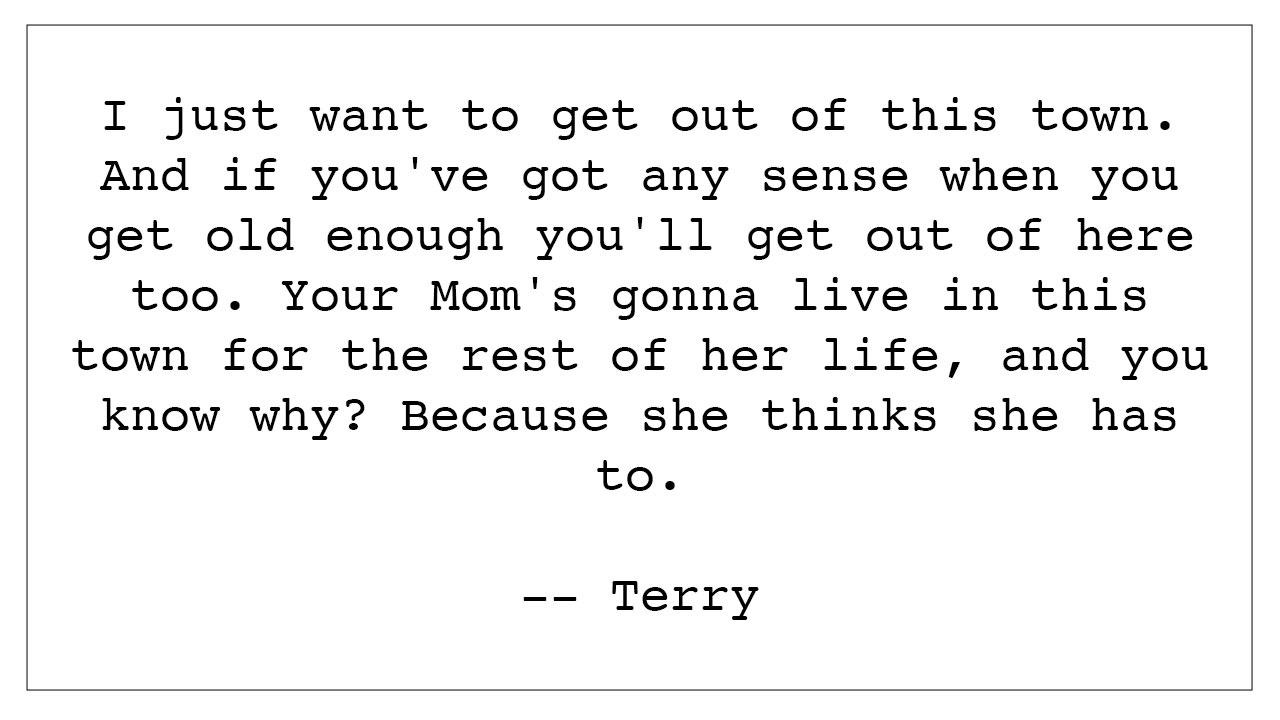
Terry’s ritual of coming and going quickly is altered, and he agrees to stay for a while.
The ensuing clash between siblings effectively blows their relationship completely apart in order for it to heal. It is one of the most effective emotional narratives I have ever seen.
The character traits of both siblings are so clear and so diametrically opposed that the audience knows their time together is a powder keg waiting to go off. What you hope to avoid all while watching it becomes the only sensible solution to the problem. That’s what makes it so satisfying.
2. The Remains of the Day (1993)
I reference this stuffy, period drama a lot because it stays the course unapologetically and without fear. A Merchant Ivory film based on the novel of the same name by Kazuo Ishiguro, the film offers story arcs about the English class system, the war, fascism, and unrequited love.
In 1930, Mr. Stevens, played to perfection by Anthony Hopkins, is the head butler of Darlington Hall in England. His efficiency and immovable sense of duty mask a deeply emotional and repressed man. When the new housekeeper, Miss Kenton, played by Emma Thompson, arrives, she brings a cheerier, looser air to the home. Though everything is so subtle you can barely taste it, the feelings between the two build behind tall fences of restraint and propriety. We know she is in love with him, and we also know he is in love with her. He, unfortunately, cannot express it.
Instead, he leans into his duties and the comings and goings at Darlington Hall. As the years trudge on, Miss Kenton accepts a proposal of marriage to another man. It is clear this is not what she wants, but it is probably the most sensible choice she can make given her current circumstances.
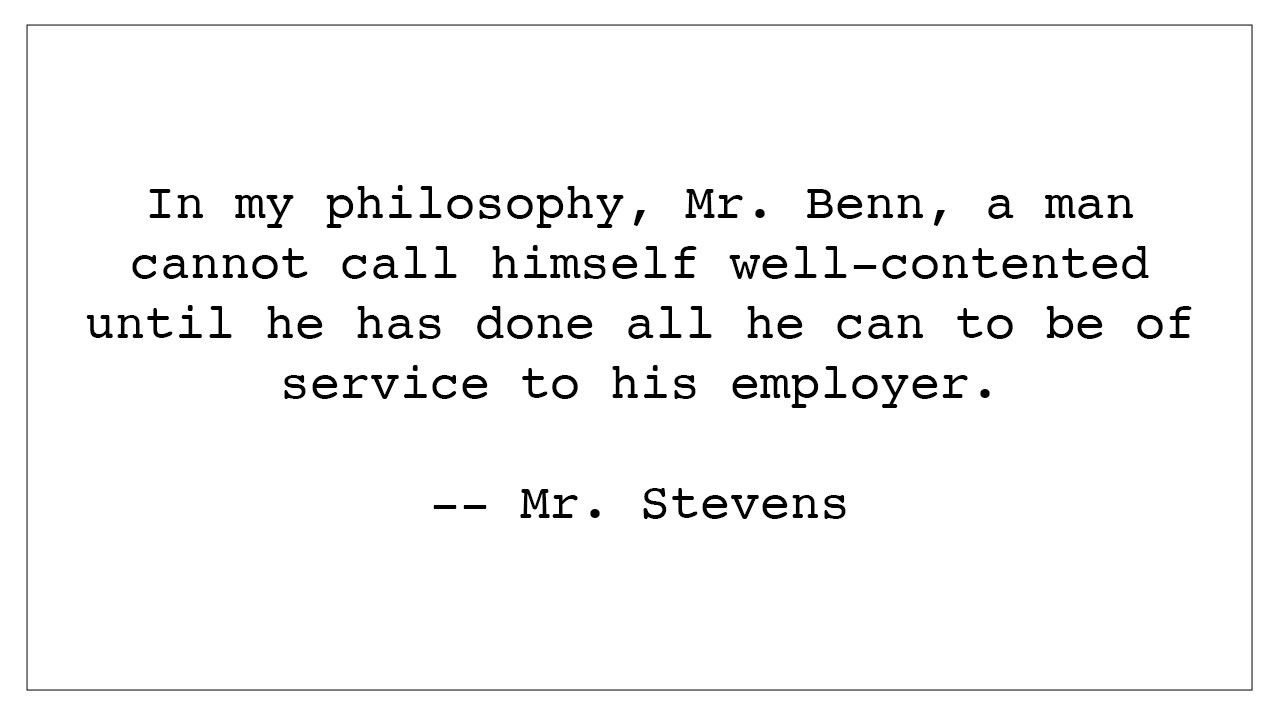
When she tells Mr. Stevens of her proposal, hoping to elicit an emotional reaction, something to give her a glimmer of hope that he feels something for her, he gives her nothing. He simply congratulates her on her engagement with a straight face and a smile.
Meanwhile, the devastation is clear on his face and forces him to escape to his private room to avoid a complete collapse.
As a study of character motivations and a commitment to keeping them steady, this film is both maddening and thrilling. When he congratulates her, we too feel the devastation and scream at the screen for him to tell her how he feels. Spoiler alert. He doesn’t.
It illustrates the unique prize you get when you don’t force your characters into a preconceived plot and let them flirt with total annihilation.
3. The Pope of Greenwich Village (1984)
While I’d like to think everyone has seen this gem, time marches on, and younger generations miss it. This film, flawed as it is, is the reason I got into the film business. It’s a character-driven masterpiece. Aside from being an acting clinic, it offers the audience a chance to see how a character’s core motivations can run him down and paint him into a corner.
The story takes place in Greenwich Village in New York. Two Italian cousins struggle to make ends meet. They are dreamers who live in a world full of wiseguys, mobsters, and Little Italy. The setting, the dialogue, and the characters are so Italian, you can smell the pasta sauce cooking in the background.
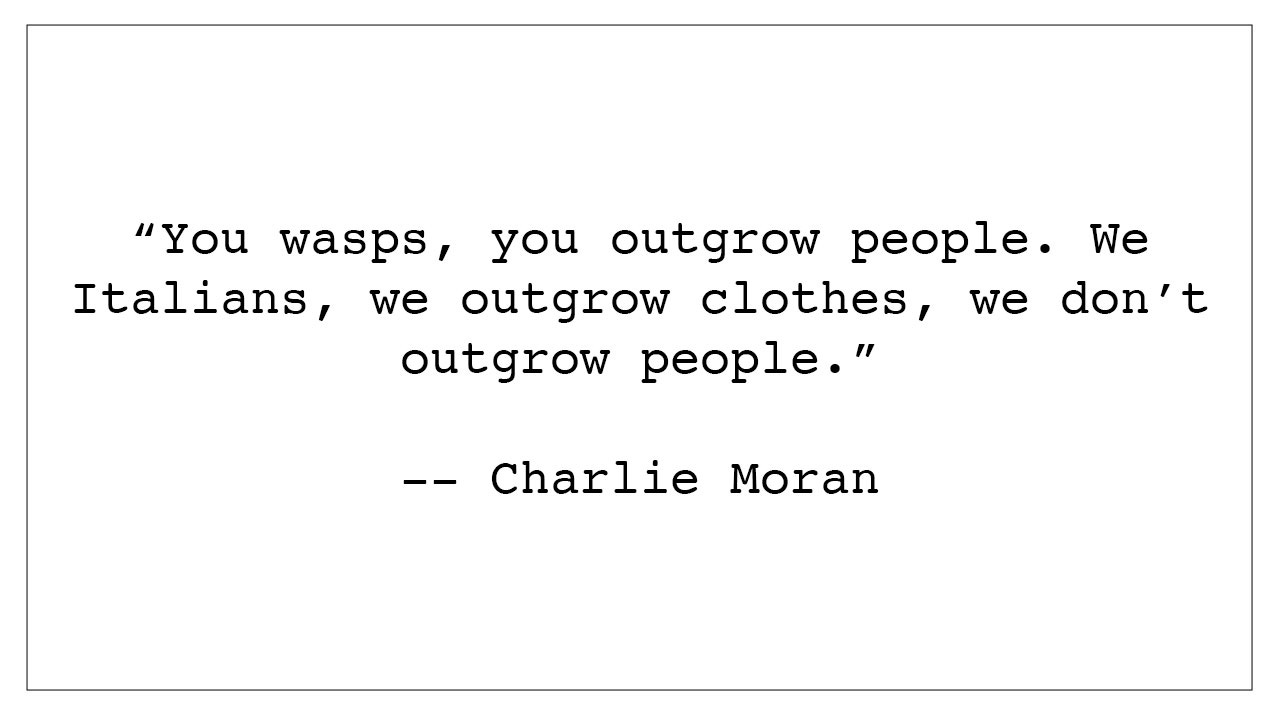
Charlie Moran, played powerfully by Mickey Rourke, is a maitre d ’ at an Italian restaurant. His dream is to own a restaurant of his own. He is from the neighborhood, but cleans up well. He is well-respected, but wants to go to the next level.
Pauly Gibonni is his reckless cousin who fast-talks his way through life and has an excuse for everything. He wants to be successful, and if that means stealing, then so be it.
Two opposites bonded by blood. The theme? Is blood thicker than water? The answer pushes both of them to the hilt and beyond.
Clearly, Pauly wrangles Charlie into one of his boneheaded schemes. One that puts him squarely at odds with the local mob boss, “Bedbug” Eddie Grant, played by a menacing Burt Young.
Watching their blood bond get driven to the edge inside such a wholly complete world is funny, exciting, and frightening. Throw in a waspy love interest, Diane, played by Darryl Hannah, and the powder keg is set. When she asks Charlie why she doesn’t just outgrow his bumbling cousin, he says, “You wasps, you outgrow people. We Italians, we outgrow clothes, we don’t outgrow people.”
4. The Last American Virgin (1982)
If you were told this movie was just an eighties sex romp, you would dismiss it entirely as dated dreck. This movie is so much more and takes you through a journey that reflects real life more than the fantasy of teenagers living life on the edge of abandon.
Based on an Israeli film called Lemonade, written and directed by Boaz Davidson, The Last American Virgin is almost a shot-for-shot remake, but loses nothing in the translation. As the title suggests, the story is about a virgin. Gary is a decent guy. He is a pizza delivery boy and does not have the moves to make it with girls. He’s sensitive. You might almost read his character as gay, but as the story progresses, you realize he feels deeply and is in love with an unattainable girl named Karen, who has moved to town.
Gary and his two friends, Rick and David, are on a mission to get laid. Rick is a good-looking jock, and David is the chubby friend who is along for the ride. While this makes up most of the comedic turns in the film, Gary somehow remains unsullied and untouched.
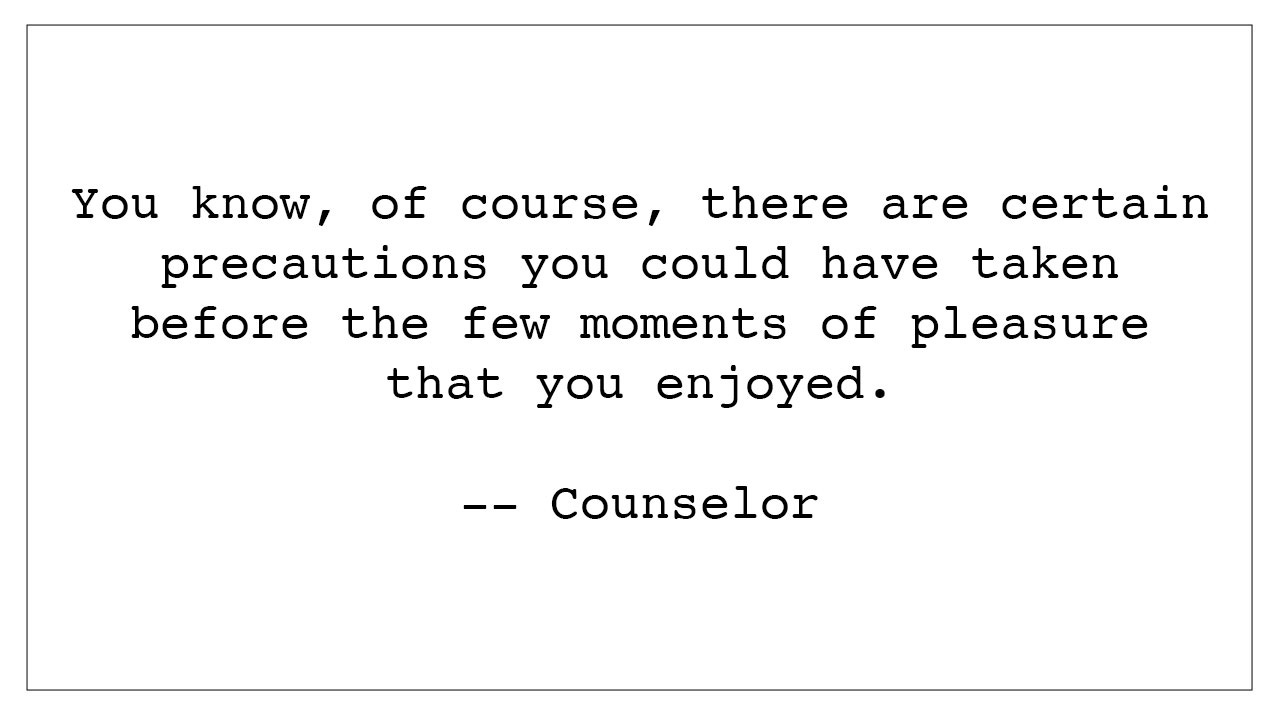
What follows is a love triangle between Gary, Karen, and Rick. Gary is in love with Karen and would do anything for her. Rick just wants to bed her and have fun while it lasts.
Critics say the film’s power stems from its ending, but the ending only works if you’re invested in Gary’s journey. He puts it all on the line for love, but in case you thought this was a fantasy, nice guys definitely finish last.
I’m a sucker for a character who is committed to their undoing. It guarantees conflict and doesn’t rely on “plot” to take them where they need to go.
5. The General (1998)
Not to be confused with the Charlie Chaplin film of the same name, the General I’m talking about is the masterpiece by John Boorman about real-life Dublin criminal Martin Cahill. He’s played by Irish actor Brendan Gleeson in a legendary performance.
A cult hero to many, he was seen as a Robin Hood of sorts who ran his gang of thieves in Dublin, trusting only those who came out of the Hollyfield Buildings, a demolished housing estate where he grew up. Fiercely loyal, but brutal when loyalty to him is crossed. He lives by a code, and that code infiltrates every aspect of his life. He is not political and does not side with either the Irish Republican Army or the UVH (Ulster Volunteer Force).
His secretive world is challenged when drugs and greed create cracks in his defenses. The themes of loyalty and power set against a world in turmoil.
All of these films can and should be studied for their character arcs, their commitment, and their choices.